About Jalen Ngonda:
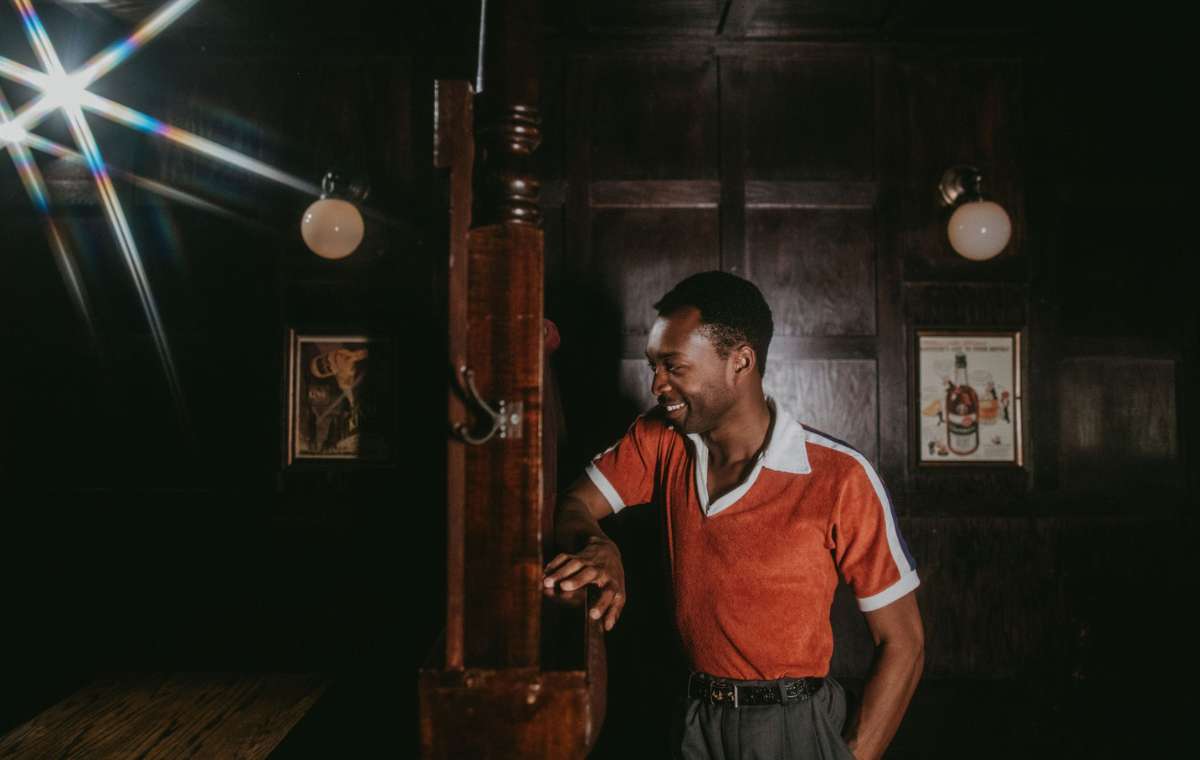
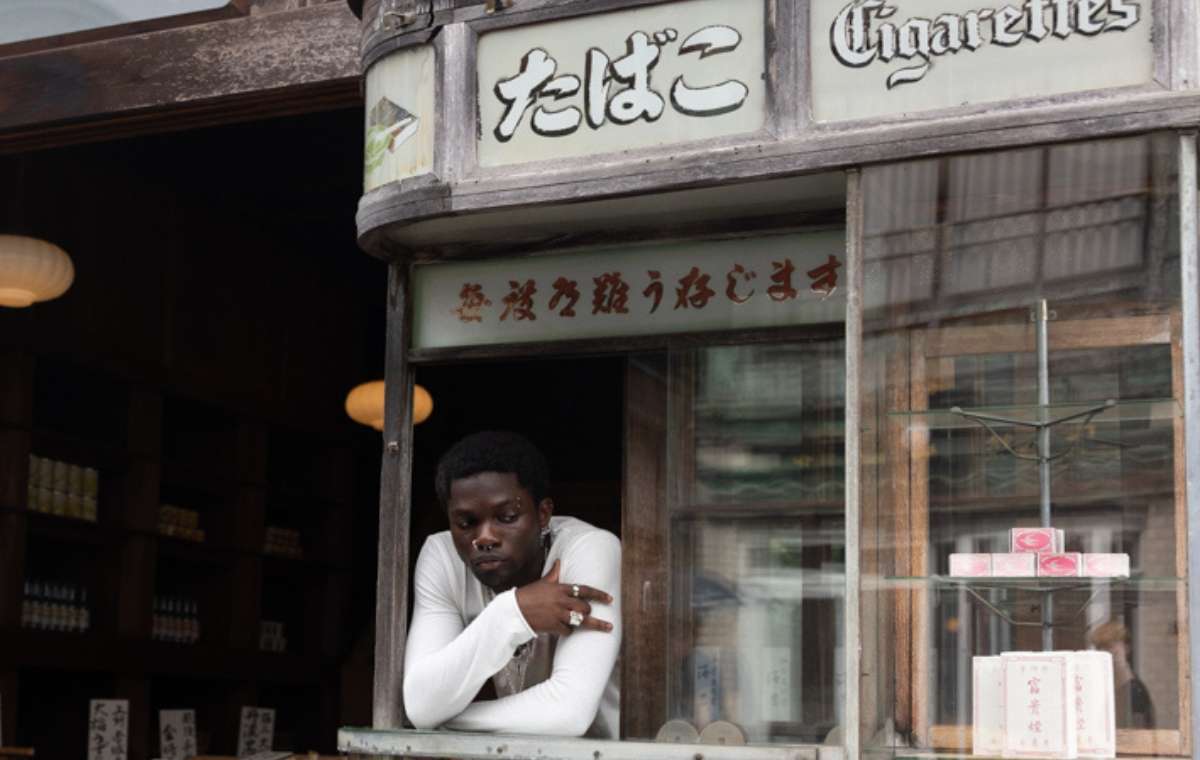
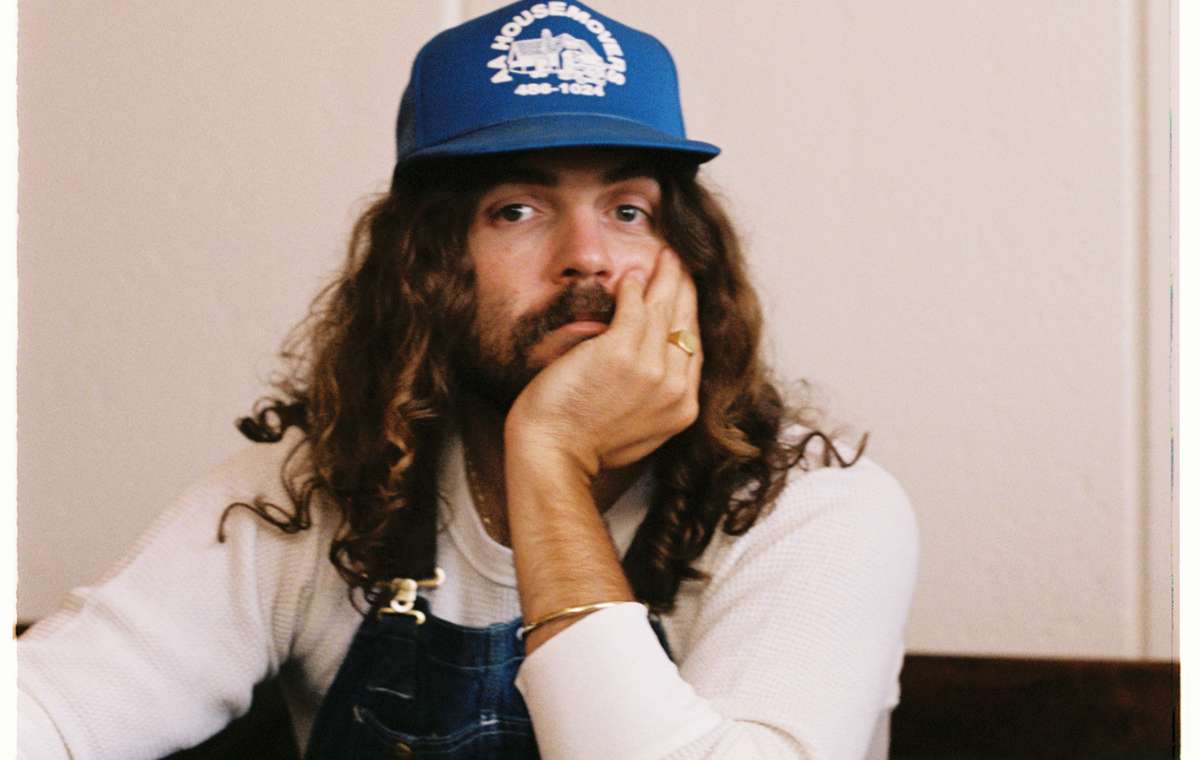
Jalen Ngonda honours soul music’s rich history while pushing it forward into new territory, an artist who’s both archivist and explorer, a disciple of the greats actively shaping the future of music. Having spent the last three years growing this new soul vision from small clubs to arenas and festivals across the world Ngonda stands poised to become the new spokesman of authentic soul with the release of his second album Doctrine Of Love.
Doctrine Of Love is an instant classic of an album, a long player alive with a confidence and swagger that seals the young singer’s reputation as not only the spiritual heir of soul’s great leading men but a one-off songwriting talent stepping far out from the shadows of his artistic ancestors. The title track ‘Doctrine Of Love’ sets both the emotional tone and musical template for the rest of the album, “I wrote that track when I was trying to do anything to get out of the studio” remembers Ngonda. “I was listening to a lot of James Brown at the time and that was an inspiration – Doctrine to me was a word no-one ever uses, I took it to be like a certificate, the ‘Certificate of Love’ – look, I think maybe I meant ‘doctorate’, but we wrote it and recorded it and now it’s a whole thing.” The Doctrine of Love is multi-faceted of course – yes, it can be a cool word that fits the song, it can be a code, a philosophy, words to live by, words to love by, words to write some classic music by. ““I just write the song,” Ngonda enthuses, “the listener can interpret it however they want.”
About Whitey Morgan and the 78s:
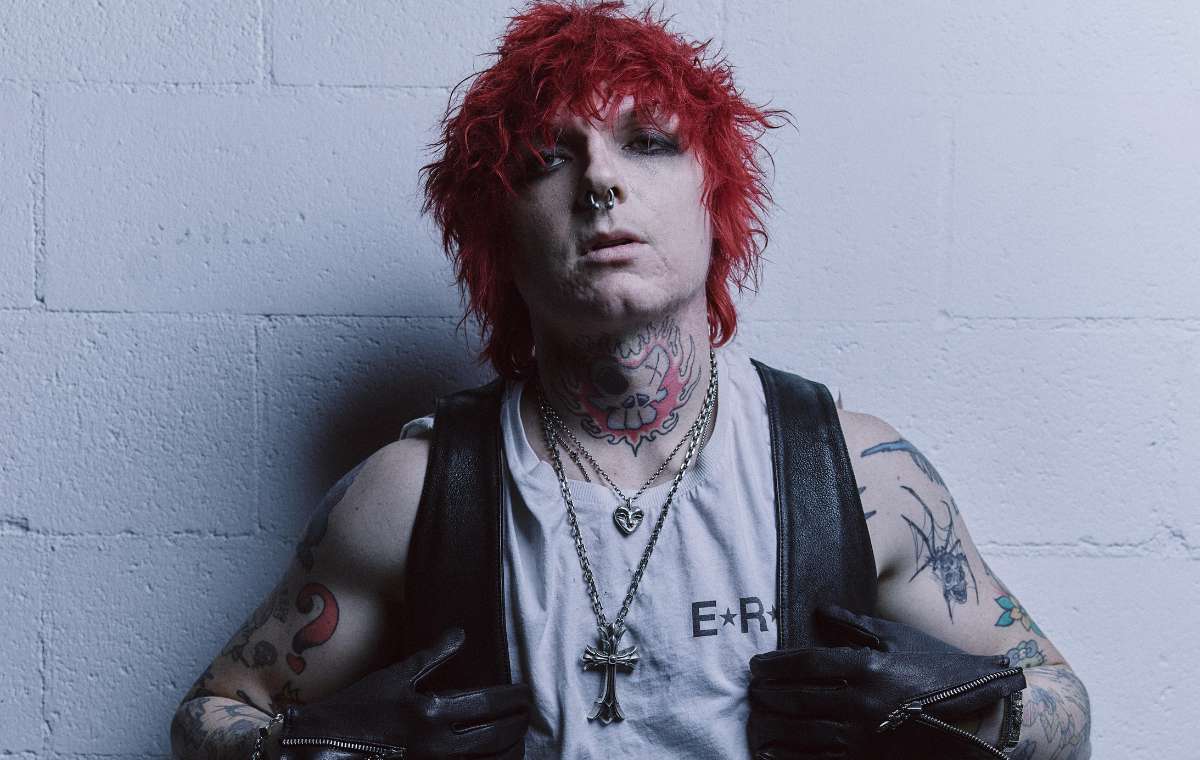
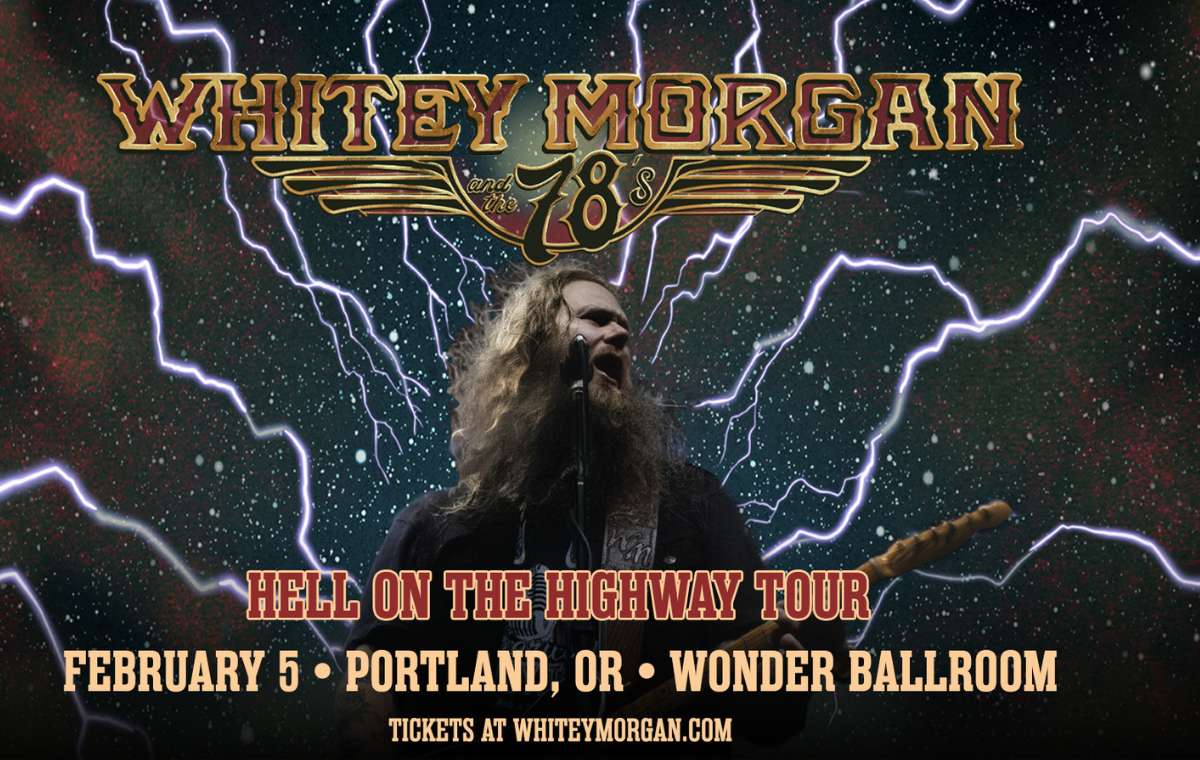
Whitey Morgan spent the first decade of his career raising hell. For the last decade, he’s been raising his son. “I’ve been raising my kid,” Morgan says. “Those first few years of his life are important, and I wanted to make sure I was there for that. But I’m excited about music again.” Hell On The Highway is a return to form in more ways than one for outlaw country legend Whitey Morgan. After releasing six full-length albums and playing countless shows over the last decade, Morgan fell out of love with music. “I’ve been doing this a long time,” Morgan groans in a voice that’s just as gruff in the studio as it is on stage. “Anything you’re doing that long you’re not gonna love the whole time.”
In 2026, eight years after his last full-length studio project, Whitey Morgan is back with 11 new songs. Hell On The Highway is Whitey Morgan at his best: honest, yet brash; raucous, yet sensitive. With its explosive sound and hard-lived lyricism, Hell On The Highway puts on full display the life that Morgan stepped away from to raise his son, while confronting how that world coexists with the family he’s built.
Morgan wrote the album over a period of profound personal change, as his life shifted from the road to fatherhood and back again. He recorded it at Sonic Ranch with GRAMMY Award-winning producer Justin Francis (Tyler Childers, Gary Clark Jr.). “It was honestly the first time I felt I had someone on my side who was 100% ready to dive into it as much as I always have,” Morgan says. “I backed off a lot because of having that confidence in him.” For an artist accustomed to carrying the weight of the recording process himself, Francis proved to be an unexpected but natural fit. “I talked to him on the phone and I could tell immediately that he was my kind of person,” Morgan says. “He was asking all the questions that I would normally have to ask. He was pointing out all the nuances and tones in the recording that I would normally have to fix. It was nice to take that weight off my shoulders and pass to someone else for once.”
The end result of Morgan’s collaboration with Francis has left him more excited than ever about music. “I’ve never been more excited to pick up my guitar and play it.” There were years when Morgan wouldn’t pick up a guitar at home. His seven-year-old son had never even seen the iconic Telecaster that his father played on stage night after night. “But now, the living room has two drum sets set up in it, guitars and amps, and me and that boy we play guitars and drums all day. When we’re not doing something else, we’re playing music.”
About Whitey Morgan and the 78s:
Whitey Morgan spent the first decade of his career raising hell. For the last decade, he’s been raising his son. “I’ve been raising my kid,” Morgan says. “Those first few years of his life are important, and I wanted to make sure I was there for that. But I’m excited about music again.” Hell On The Highway is a return to form in more ways than one for outlaw country legend Whitey Morgan. After releasing six full-length albums and playing countless shows over the last decade, Morgan fell out of love with music. “I’ve been doing this a long time,” Morgan groans in a voice that’s just as gruff in the studio as it is on stage. “Anything you’re doing that long you’re not gonna love the whole time.”
In 2026, eight years after his last full-length studio project, Whitey Morgan is back with 11 new songs. Hell On The Highway is Whitey Morgan at his best: honest, yet brash; raucous, yet sensitive. With its explosive sound and hard-lived lyricism, Hell On The Highway puts on full display the life that Morgan stepped away from to raise his son, while confronting how that world coexists with the family he’s built.
Morgan wrote the album over a period of profound personal change, as his life shifted from the road to fatherhood and back again. He recorded it at Sonic Ranch with GRAMMY Award-winning producer Justin Francis (Tyler Childers, Gary Clark Jr.). “It was honestly the first time I felt I had someone on my side who was 100% ready to dive into it as much as I always have,” Morgan says. “I backed off a lot because of having that confidence in him.” For an artist accustomed to carrying the weight of the recording process himself, Francis proved to be an unexpected but natural fit. “I talked to him on the phone and I could tell immediately that he was my kind of person,” Morgan says. “He was asking all the questions that I would normally have to ask. He was pointing out all the nuances and tones in the recording that I would normally have to fix. It was nice to take that weight off my shoulders and pass to someone else for once.”
The end result of Morgan’s collaboration with Francis has left him more excited than ever about music. “I’ve never been more excited to pick up my guitar and play it.” There were years when Morgan wouldn’t pick up a guitar at home. His seven-year-old son had never even seen the iconic Telecaster that his father played on stage night after night. “But now, the living room has two drum sets set up in it, guitars and amps, and me and that boy we play guitars and drums all day. When we’re not doing something else, we’re playing music.”
About Whitey Morgan and the 78s:
Whitey Morgan spent the first decade of his career raising hell. For the last decade, he’s been raising his son. “I’ve been raising my kid,” Morgan says. “Those first few years of his life are important, and I wanted to make sure I was there for that. But I’m excited about music again.” Hell On The Highway is a return to form in more ways than one for outlaw country legend Whitey Morgan. After releasing six full-length albums and playing countless shows over the last decade, Morgan fell out of love with music. “I’ve been doing this a long time,” Morgan groans in a voice that’s just as gruff in the studio as it is on stage. “Anything you’re doing that long you’re not gonna love the whole time.”
In 2026, eight years after his last full-length studio project, Whitey Morgan is back with 11 new songs. Hell On The Highway is Whitey Morgan at his best: honest, yet brash; raucous, yet sensitive. With its explosive sound and hard-lived lyricism, Hell On The Highway puts on full display the life that Morgan stepped away from to raise his son, while confronting how that world coexists with the family he’s built.
Morgan wrote the album over a period of profound personal change, as his life shifted from the road to fatherhood and back again. He recorded it at Sonic Ranch with GRAMMY Award-winning producer Justin Francis (Tyler Childers, Gary Clark Jr.). “It was honestly the first time I felt I had someone on my side who was 100% ready to dive into it as much as I always have,” Morgan says. “I backed off a lot because of having that confidence in him.” For an artist accustomed to carrying the weight of the recording process himself, Francis proved to be an unexpected but natural fit. “I talked to him on the phone and I could tell immediately that he was my kind of person,” Morgan says. “He was asking all the questions that I would normally have to ask. He was pointing out all the nuances and tones in the recording that I would normally have to fix. It was nice to take that weight off my shoulders and pass to someone else for once.”
The end result of Morgan’s collaboration with Francis has left him more excited than ever about music. “I’ve never been more excited to pick up my guitar and play it.” There were years when Morgan wouldn’t pick up a guitar at home. His seven-year-old son had never even seen the iconic Telecaster that his father played on stage night after night. “But now, the living room has two drum sets set up in it, guitars and amps, and me and that boy we play guitars and drums all day. When we’re not doing something else, we’re playing music.”
About Whitey Morgan and the 78s:
Whitey Morgan spent the first decade of his career raising hell. For the last decade, he’s been raising his son. “I’ve been raising my kid,” Morgan says. “Those first few years of his life are important, and I wanted to make sure I was there for that. But I’m excited about music again.” Hell On The Highway is a return to form in more ways than one for outlaw country legend Whitey Morgan. After releasing six full-length albums and playing countless shows over the last decade, Morgan fell out of love with music. “I’ve been doing this a long time,” Morgan groans in a voice that’s just as gruff in the studio as it is on stage. “Anything you’re doing that long you’re not gonna love the whole time.”
In 2026, eight years after his last full-length studio project, Whitey Morgan is back with 11 new songs. Hell On The Highway is Whitey Morgan at his best: honest, yet brash; raucous, yet sensitive. With its explosive sound and hard-lived lyricism, Hell On The Highway puts on full display the life that Morgan stepped away from to raise his son, while confronting how that world coexists with the family he’s built.
Morgan wrote the album over a period of profound personal change, as his life shifted from the road to fatherhood and back again. He recorded it at Sonic Ranch with GRAMMY Award-winning producer Justin Francis (Tyler Childers, Gary Clark Jr.). “It was honestly the first time I felt I had someone on my side who was 100% ready to dive into it as much as I always have,” Morgan says. “I backed off a lot because of having that confidence in him.” For an artist accustomed to carrying the weight of the recording process himself, Francis proved to be an unexpected but natural fit. “I talked to him on the phone and I could tell immediately that he was my kind of person,” Morgan says. “He was asking all the questions that I would normally have to ask. He was pointing out all the nuances and tones in the recording that I would normally have to fix. It was nice to take that weight off my shoulders and pass to someone else for once.”
The end result of Morgan’s collaboration with Francis has left him more excited than ever about music. “I’ve never been more excited to pick up my guitar and play it.” There were years when Morgan wouldn’t pick up a guitar at home. His seven-year-old son had never even seen the iconic Telecaster that his father played on stage night after night. “But now, the living room has two drum sets set up in it, guitars and amps, and me and that boy we play guitars and drums all day. When we’re not doing something else, we’re playing music.”
About Whitey Morgan and the 78s:
Whitey Morgan spent the first decade of his career raising hell. For the last decade, he’s been raising his son. “I’ve been raising my kid,” Morgan says. “Those first few years of his life are important, and I wanted to make sure I was there for that. But I’m excited about music again.” Hell On The Highway is a return to form in more ways than one for outlaw country legend Whitey Morgan. After releasing six full-length albums and playing countless shows over the last decade, Morgan fell out of love with music. “I’ve been doing this a long time,” Morgan groans in a voice that’s just as gruff in the studio as it is on stage. “Anything you’re doing that long you’re not gonna love the whole time.”
In 2026, eight years after his last full-length studio project, Whitey Morgan is back with 11 new songs. Hell On The Highway is Whitey Morgan at his best: honest, yet brash; raucous, yet sensitive. With its explosive sound and hard-lived lyricism, Hell On The Highway puts on full display the life that Morgan stepped away from to raise his son, while confronting how that world coexists with the family he’s built.
Morgan wrote the album over a period of profound personal change, as his life shifted from the road to fatherhood and back again. He recorded it at Sonic Ranch with GRAMMY Award-winning producer Justin Francis (Tyler Childers, Gary Clark Jr.). “It was honestly the first time I felt I had someone on my side who was 100% ready to dive into it as much as I always have,” Morgan says. “I backed off a lot because of having that confidence in him.” For an artist accustomed to carrying the weight of the recording process himself, Francis proved to be an unexpected but natural fit. “I talked to him on the phone and I could tell immediately that he was my kind of person,” Morgan says. “He was asking all the questions that I would normally have to ask. He was pointing out all the nuances and tones in the recording that I would normally have to fix. It was nice to take that weight off my shoulders and pass to someone else for once.”
The end result of Morgan’s collaboration with Francis has left him more excited than ever about music. “I’ve never been more excited to pick up my guitar and play it.” There were years when Morgan wouldn’t pick up a guitar at home. His seven-year-old son had never even seen the iconic Telecaster that his father played on stage night after night. “But now, the living room has two drum sets set up in it, guitars and amps, and me and that boy we play guitars and drums all day. When we’re not doing something else, we’re playing music.”
About Whitey Morgan and the 78s:
Whitey Morgan spent the first decade of his career raising hell. For the last decade, he’s been raising his son. “I’ve been raising my kid,” Morgan says. “Those first few years of his life are important, and I wanted to make sure I was there for that. But I’m excited about music again.” Hell On The Highway is a return to form in more ways than one for outlaw country legend Whitey Morgan. After releasing six full-length albums and playing countless shows over the last decade, Morgan fell out of love with music. “I’ve been doing this a long time,” Morgan groans in a voice that’s just as gruff in the studio as it is on stage. “Anything you’re doing that long you’re not gonna love the whole time.”
In 2026, eight years after his last full-length studio project, Whitey Morgan is back with 11 new songs. Hell On The Highway is Whitey Morgan at his best: honest, yet brash; raucous, yet sensitive. With its explosive sound and hard-lived lyricism, Hell On The Highway puts on full display the life that Morgan stepped away from to raise his son, while confronting how that world coexists with the family he’s built.
Morgan wrote the album over a period of profound personal change, as his life shifted from the road to fatherhood and back again. He recorded it at Sonic Ranch with GRAMMY Award-winning producer Justin Francis (Tyler Childers, Gary Clark Jr.). “It was honestly the first time I felt I had someone on my side who was 100% ready to dive into it as much as I always have,” Morgan says. “I backed off a lot because of having that confidence in him.” For an artist accustomed to carrying the weight of the recording process himself, Francis proved to be an unexpected but natural fit. “I talked to him on the phone and I could tell immediately that he was my kind of person,” Morgan says. “He was asking all the questions that I would normally have to ask. He was pointing out all the nuances and tones in the recording that I would normally have to fix. It was nice to take that weight off my shoulders and pass to someone else for once.”
The end result of Morgan’s collaboration with Francis has left him more excited than ever about music. “I’ve never been more excited to pick up my guitar and play it.” There were years when Morgan wouldn’t pick up a guitar at home. His seven-year-old son had never even seen the iconic Telecaster that his father played on stage night after night. “But now, the living room has two drum sets set up in it, guitars and amps, and me and that boy we play guitars and drums all day. When we’re not doing something else, we’re playing music.”
About Whitey Morgan and the 78s:
Whitey Morgan spent the first decade of his career raising hell. For the last decade, he’s been raising his son. “I’ve been raising my kid,” Morgan says. “Those first few years of his life are important, and I wanted to make sure I was there for that. But I’m excited about music again.” Hell On The Highway is a return to form in more ways than one for outlaw country legend Whitey Morgan. After releasing six full-length albums and playing countless shows over the last decade, Morgan fell out of love with music. “I’ve been doing this a long time,” Morgan groans in a voice that’s just as gruff in the studio as it is on stage. “Anything you’re doing that long you’re not gonna love the whole time.”
In 2026, eight years after his last full-length studio project, Whitey Morgan is back with 11 new songs. Hell On The Highway is Whitey Morgan at his best: honest, yet brash; raucous, yet sensitive. With its explosive sound and hard-lived lyricism, Hell On The Highway puts on full display the life that Morgan stepped away from to raise his son, while confronting how that world coexists with the family he’s built.
Morgan wrote the album over a period of profound personal change, as his life shifted from the road to fatherhood and back again. He recorded it at Sonic Ranch with GRAMMY Award-winning producer Justin Francis (Tyler Childers, Gary Clark Jr.). “It was honestly the first time I felt I had someone on my side who was 100% ready to dive into it as much as I always have,” Morgan says. “I backed off a lot because of having that confidence in him.” For an artist accustomed to carrying the weight of the recording process himself, Francis proved to be an unexpected but natural fit. “I talked to him on the phone and I could tell immediately that he was my kind of person,” Morgan says. “He was asking all the questions that I would normally have to ask. He was pointing out all the nuances and tones in the recording that I would normally have to fix. It was nice to take that weight off my shoulders and pass to someone else for once.”
The end result of Morgan’s collaboration with Francis has left him more excited than ever about music. “I’ve never been more excited to pick up my guitar and play it.” There were years when Morgan wouldn’t pick up a guitar at home. His seven-year-old son had never even seen the iconic Telecaster that his father played on stage night after night. “But now, the living room has two drum sets set up in it, guitars and amps, and me and that boy we play guitars and drums all day. When we’re not doing something else, we’re playing music.”
About Whitey Morgan and the 78s:
Whitey Morgan spent the first decade of his career raising hell. For the last decade, he’s been raising his son. “I’ve been raising my kid,” Morgan says. “Those first few years of his life are important, and I wanted to make sure I was there for that. But I’m excited about music again.” Hell On The Highway is a return to form in more ways than one for outlaw country legend Whitey Morgan. After releasing six full-length albums and playing countless shows over the last decade, Morgan fell out of love with music. “I’ve been doing this a long time,” Morgan groans in a voice that’s just as gruff in the studio as it is on stage. “Anything you’re doing that long you’re not gonna love the whole time.”
In 2026, eight years after his last full-length studio project, Whitey Morgan is back with 11 new songs. Hell On The Highway is Whitey Morgan at his best: honest, yet brash; raucous, yet sensitive. With its explosive sound and hard-lived lyricism, Hell On The Highway puts on full display the life that Morgan stepped away from to raise his son, while confronting how that world coexists with the family he’s built.
Morgan wrote the album over a period of profound personal change, as his life shifted from the road to fatherhood and back again. He recorded it at Sonic Ranch with GRAMMY Award-winning producer Justin Francis (Tyler Childers, Gary Clark Jr.). “It was honestly the first time I felt I had someone on my side who was 100% ready to dive into it as much as I always have,” Morgan says. “I backed off a lot because of having that confidence in him.” For an artist accustomed to carrying the weight of the recording process himself, Francis proved to be an unexpected but natural fit. “I talked to him on the phone and I could tell immediately that he was my kind of person,” Morgan says. “He was asking all the questions that I would normally have to ask. He was pointing out all the nuances and tones in the recording that I would normally have to fix. It was nice to take that weight off my shoulders and pass to someone else for once.”
The end result of Morgan’s collaboration with Francis has left him more excited than ever about music. “I’ve never been more excited to pick up my guitar and play it.” There were years when Morgan wouldn’t pick up a guitar at home. His seven-year-old son had never even seen the iconic Telecaster that his father played on stage night after night. “But now, the living room has two drum sets set up in it, guitars and amps, and me and that boy we play guitars and drums all day. When we’re not doing something else, we’re playing music.”
About Whitey Morgan and the 78s:
Whitey Morgan spent the first decade of his career raising hell. For the last decade, he’s been raising his son. “I’ve been raising my kid,” Morgan says. “Those first few years of his life are important, and I wanted to make sure I was there for that. But I’m excited about music again.” Hell On The Highway is a return to form in more ways than one for outlaw country legend Whitey Morgan. After releasing six full-length albums and playing countless shows over the last decade, Morgan fell out of love with music. “I’ve been doing this a long time,” Morgan groans in a voice that’s just as gruff in the studio as it is on stage. “Anything you’re doing that long you’re not gonna love the whole time.”
In 2026, eight years after his last full-length studio project, Whitey Morgan is back with 11 new songs. Hell On The Highway is Whitey Morgan at his best: honest, yet brash; raucous, yet sensitive. With its explosive sound and hard-lived lyricism, Hell On The Highway puts on full display the life that Morgan stepped away from to raise his son, while confronting how that world coexists with the family he’s built.
Morgan wrote the album over a period of profound personal change, as his life shifted from the road to fatherhood and back again. He recorded it at Sonic Ranch with GRAMMY Award-winning producer Justin Francis (Tyler Childers, Gary Clark Jr.). “It was honestly the first time I felt I had someone on my side who was 100% ready to dive into it as much as I always have,” Morgan says. “I backed off a lot because of having that confidence in him.” For an artist accustomed to carrying the weight of the recording process himself, Francis proved to be an unexpected but natural fit. “I talked to him on the phone and I could tell immediately that he was my kind of person,” Morgan says. “He was asking all the questions that I would normally have to ask. He was pointing out all the nuances and tones in the recording that I would normally have to fix. It was nice to take that weight off my shoulders and pass to someone else for once.”
The end result of Morgan’s collaboration with Francis has left him more excited than ever about music. “I’ve never been more excited to pick up my guitar and play it.” There were years when Morgan wouldn’t pick up a guitar at home. His seven-year-old son had never even seen the iconic Telecaster that his father played on stage night after night. “But now, the living room has two drum sets set up in it, guitars and amps, and me and that boy we play guitars and drums all day. When we’re not doing something else, we’re playing music.”
About Whitey Morgan and the 78s:
Whitey Morgan spent the first decade of his career raising hell. For the last decade, he’s been raising his son. “I’ve been raising my kid,” Morgan says. “Those first few years of his life are important, and I wanted to make sure I was there for that. But I’m excited about music again.” Hell On The Highway is a return to form in more ways than one for outlaw country legend Whitey Morgan. After releasing six full-length albums and playing countless shows over the last decade, Morgan fell out of love with music. “I’ve been doing this a long time,” Morgan groans in a voice that’s just as gruff in the studio as it is on stage. “Anything you’re doing that long you’re not gonna love the whole time.”
In 2026, eight years after his last full-length studio project, Whitey Morgan is back with 11 new songs. Hell On The Highway is Whitey Morgan at his best: honest, yet brash; raucous, yet sensitive. With its explosive sound and hard-lived lyricism, Hell On The Highway puts on full display the life that Morgan stepped away from to raise his son, while confronting how that world coexists with the family he’s built.
Morgan wrote the album over a period of profound personal change, as his life shifted from the road to fatherhood and back again. He recorded it at Sonic Ranch with GRAMMY Award-winning producer Justin Francis (Tyler Childers, Gary Clark Jr.). “It was honestly the first time I felt I had someone on my side who was 100% ready to dive into it as much as I always have,” Morgan says. “I backed off a lot because of having that confidence in him.” For an artist accustomed to carrying the weight of the recording process himself, Francis proved to be an unexpected but natural fit. “I talked to him on the phone and I could tell immediately that he was my kind of person,” Morgan says. “He was asking all the questions that I would normally have to ask. He was pointing out all the nuances and tones in the recording that I would normally have to fix. It was nice to take that weight off my shoulders and pass to someone else for once.”
The end result of Morgan’s collaboration with Francis has left him more excited than ever about music. “I’ve never been more excited to pick up my guitar and play it.” There were years when Morgan wouldn’t pick up a guitar at home. His seven-year-old son had never even seen the iconic Telecaster that his father played on stage night after night. “But now, the living room has two drum sets set up in it, guitars and amps, and me and that boy we play guitars and drums all day. When we’re not doing something else, we’re playing music.”
About Whitey Morgan and the 78s:
Whitey Morgan spent the first decade of his career raising hell. For the last decade, he’s been raising his son. “I’ve been raising my kid,” Morgan says. “Those first few years of his life are important, and I wanted to make sure I was there for that. But I’m excited about music again.” Hell On The Highway is a return to form in more ways than one for outlaw country legend Whitey Morgan. After releasing six full-length albums and playing countless shows over the last decade, Morgan fell out of love with music. “I’ve been doing this a long time,” Morgan groans in a voice that’s just as gruff in the studio as it is on stage. “Anything you’re doing that long you’re not gonna love the whole time.”
In 2026, eight years after his last full-length studio project, Whitey Morgan is back with 11 new songs. Hell On The Highway is Whitey Morgan at his best: honest, yet brash; raucous, yet sensitive. With its explosive sound and hard-lived lyricism, Hell On The Highway puts on full display the life that Morgan stepped away from to raise his son, while confronting how that world coexists with the family he’s built.
Morgan wrote the album over a period of profound personal change, as his life shifted from the road to fatherhood and back again. He recorded it at Sonic Ranch with GRAMMY Award-winning producer Justin Francis (Tyler Childers, Gary Clark Jr.). “It was honestly the first time I felt I had someone on my side who was 100% ready to dive into it as much as I always have,” Morgan says. “I backed off a lot because of having that confidence in him.” For an artist accustomed to carrying the weight of the recording process himself, Francis proved to be an unexpected but natural fit. “I talked to him on the phone and I could tell immediately that he was my kind of person,” Morgan says. “He was asking all the questions that I would normally have to ask. He was pointing out all the nuances and tones in the recording that I would normally have to fix. It was nice to take that weight off my shoulders and pass to someone else for once.”
The end result of Morgan’s collaboration with Francis has left him more excited than ever about music. “I’ve never been more excited to pick up my guitar and play it.” There were years when Morgan wouldn’t pick up a guitar at home. His seven-year-old son had never even seen the iconic Telecaster that his father played on stage night after night. “But now, the living room has two drum sets set up in it, guitars and amps, and me and that boy we play guitars and drums all day. When we’re not doing something else, we’re playing music.”
About Whitey Morgan and the 78s:
Whitey Morgan spent the first decade of his career raising hell. For the last decade, he’s been raising his son. “I’ve been raising my kid,” Morgan says. “Those first few years of his life are important, and I wanted to make sure I was there for that. But I’m excited about music again.” Hell On The Highway is a return to form in more ways than one for outlaw country legend Whitey Morgan. After releasing six full-length albums and playing countless shows over the last decade, Morgan fell out of love with music. “I’ve been doing this a long time,” Morgan groans in a voice that’s just as gruff in the studio as it is on stage. “Anything you’re doing that long you’re not gonna love the whole time.”
In 2026, eight years after his last full-length studio project, Whitey Morgan is back with 11 new songs. Hell On The Highway is Whitey Morgan at his best: honest, yet brash; raucous, yet sensitive. With its explosive sound and hard-lived lyricism, Hell On The Highway puts on full display the life that Morgan stepped away from to raise his son, while confronting how that world coexists with the family he’s built.
Morgan wrote the album over a period of profound personal change, as his life shifted from the road to fatherhood and back again. He recorded it at Sonic Ranch with GRAMMY Award-winning producer Justin Francis (Tyler Childers, Gary Clark Jr.). “It was honestly the first time I felt I had someone on my side who was 100% ready to dive into it as much as I always have,” Morgan says. “I backed off a lot because of having that confidence in him.” For an artist accustomed to carrying the weight of the recording process himself, Francis proved to be an unexpected but natural fit. “I talked to him on the phone and I could tell immediately that he was my kind of person,” Morgan says. “He was asking all the questions that I would normally have to ask. He was pointing out all the nuances and tones in the recording that I would normally have to fix. It was nice to take that weight off my shoulders and pass to someone else for once.”
The end result of Morgan’s collaboration with Francis has left him more excited than ever about music. “I’ve never been more excited to pick up my guitar and play it.” There were years when Morgan wouldn’t pick up a guitar at home. His seven-year-old son had never even seen the iconic Telecaster that his father played on stage night after night. “But now, the living room has two drum sets set up in it, guitars and amps, and me and that boy we play guitars and drums all day. When we’re not doing something else, we’re playing music.”
About Whitey Morgan and the 78s:
Whitey Morgan spent the first decade of his career raising hell. For the last decade, he’s been raising his son. “I’ve been raising my kid,” Morgan says. “Those first few years of his life are important, and I wanted to make sure I was there for that. But I’m excited about music again.” Hell On The Highway is a return to form in more ways than one for outlaw country legend Whitey Morgan. After releasing six full-length albums and playing countless shows over the last decade, Morgan fell out of love with music. “I’ve been doing this a long time,” Morgan groans in a voice that’s just as gruff in the studio as it is on stage. “Anything you’re doing that long you’re not gonna love the whole time.”
In 2026, eight years after his last full-length studio project, Whitey Morgan is back with 11 new songs. Hell On The Highway is Whitey Morgan at his best: honest, yet brash; raucous, yet sensitive. With its explosive sound and hard-lived lyricism, Hell On The Highway puts on full display the life that Morgan stepped away from to raise his son, while confronting how that world coexists with the family he’s built.
Morgan wrote the album over a period of profound personal change, as his life shifted from the road to fatherhood and back again. He recorded it at Sonic Ranch with GRAMMY Award-winning producer Justin Francis (Tyler Childers, Gary Clark Jr.). “It was honestly the first time I felt I had someone on my side who was 100% ready to dive into it as much as I always have,” Morgan says. “I backed off a lot because of having that confidence in him.” For an artist accustomed to carrying the weight of the recording process himself, Francis proved to be an unexpected but natural fit. “I talked to him on the phone and I could tell immediately that he was my kind of person,” Morgan says. “He was asking all the questions that I would normally have to ask. He was pointing out all the nuances and tones in the recording that I would normally have to fix. It was nice to take that weight off my shoulders and pass to someone else for once.”
The end result of Morgan’s collaboration with Francis has left him more excited than ever about music. “I’ve never been more excited to pick up my guitar and play it.” There were years when Morgan wouldn’t pick up a guitar at home. His seven-year-old son had never even seen the iconic Telecaster that his father played on stage night after night. “But now, the living room has two drum sets set up in it, guitars and amps, and me and that boy we play guitars and drums all day. When we’re not doing something else, we’re playing music.”
About Whitey Morgan and the 78s:
Whitey Morgan spent the first decade of his career raising hell. For the last decade, he’s been raising his son. “I’ve been raising my kid,” Morgan says. “Those first few years of his life are important, and I wanted to make sure I was there for that. But I’m excited about music again.” Hell On The Highway is a return to form in more ways than one for outlaw country legend Whitey Morgan. After releasing six full-length albums and playing countless shows over the last decade, Morgan fell out of love with music. “I’ve been doing this a long time,” Morgan groans in a voice that’s just as gruff in the studio as it is on stage. “Anything you’re doing that long you’re not gonna love the whole time.”
In 2026, eight years after his last full-length studio project, Whitey Morgan is back with 11 new songs. Hell On The Highway is Whitey Morgan at his best: honest, yet brash; raucous, yet sensitive. With its explosive sound and hard-lived lyricism, Hell On The Highway puts on full display the life that Morgan stepped away from to raise his son, while confronting how that world coexists with the family he’s built.
Morgan wrote the album over a period of profound personal change, as his life shifted from the road to fatherhood and back again. He recorded it at Sonic Ranch with GRAMMY Award-winning producer Justin Francis (Tyler Childers, Gary Clark Jr.). “It was honestly the first time I felt I had someone on my side who was 100% ready to dive into it as much as I always have,” Morgan says. “I backed off a lot because of having that confidence in him.” For an artist accustomed to carrying the weight of the recording process himself, Francis proved to be an unexpected but natural fit. “I talked to him on the phone and I could tell immediately that he was my kind of person,” Morgan says. “He was asking all the questions that I would normally have to ask. He was pointing out all the nuances and tones in the recording that I would normally have to fix. It was nice to take that weight off my shoulders and pass to someone else for once.”
The end result of Morgan’s collaboration with Francis has left him more excited than ever about music. “I’ve never been more excited to pick up my guitar and play it.” There were years when Morgan wouldn’t pick up a guitar at home. His seven-year-old son had never even seen the iconic Telecaster that his father played on stage night after night. “But now, the living room has two drum sets set up in it, guitars and amps, and me and that boy we play guitars and drums all day. When we’re not doing something else, we’re playing music.”
About Whitey Morgan and the 78s:
Whitey Morgan spent the first decade of his career raising hell. For the last decade, he’s been raising his son. “I’ve been raising my kid,” Morgan says. “Those first few years of his life are important, and I wanted to make sure I was there for that. But I’m excited about music again.” Hell On The Highway is a return to form in more ways than one for outlaw country legend Whitey Morgan. After releasing six full-length albums and playing countless shows over the last decade, Morgan fell out of love with music. “I’ve been doing this a long time,” Morgan groans in a voice that’s just as gruff in the studio as it is on stage. “Anything you’re doing that long you’re not gonna love the whole time.”
In 2026, eight years after his last full-length studio project, Whitey Morgan is back with 11 new songs. Hell On The Highway is Whitey Morgan at his best: honest, yet brash; raucous, yet sensitive. With its explosive sound and hard-lived lyricism, Hell On The Highway puts on full display the life that Morgan stepped away from to raise his son, while confronting how that world coexists with the family he’s built.
Morgan wrote the album over a period of profound personal change, as his life shifted from the road to fatherhood and back again. He recorded it at Sonic Ranch with GRAMMY Award-winning producer Justin Francis (Tyler Childers, Gary Clark Jr.). “It was honestly the first time I felt I had someone on my side who was 100% ready to dive into it as much as I always have,” Morgan says. “I backed off a lot because of having that confidence in him.” For an artist accustomed to carrying the weight of the recording process himself, Francis proved to be an unexpected but natural fit. “I talked to him on the phone and I could tell immediately that he was my kind of person,” Morgan says. “He was asking all the questions that I would normally have to ask. He was pointing out all the nuances and tones in the recording that I would normally have to fix. It was nice to take that weight off my shoulders and pass to someone else for once.”
The end result of Morgan’s collaboration with Francis has left him more excited than ever about music. “I’ve never been more excited to pick up my guitar and play it.” There were years when Morgan wouldn’t pick up a guitar at home. His seven-year-old son had never even seen the iconic Telecaster that his father played on stage night after night. “But now, the living room has two drum sets set up in it, guitars and amps, and me and that boy we play guitars and drums all day. When we’re not doing something else, we’re playing music.”
About Whitey Morgan and the 78s:
Whitey Morgan spent the first decade of his career raising hell. For the last decade, he’s been raising his son. “I’ve been raising my kid,” Morgan says. “Those first few years of his life are important, and I wanted to make sure I was there for that. But I’m excited about music again.” Hell On The Highway is a return to form in more ways than one for outlaw country legend Whitey Morgan. After releasing six full-length albums and playing countless shows over the last decade, Morgan fell out of love with music. “I’ve been doing this a long time,” Morgan groans in a voice that’s just as gruff in the studio as it is on stage. “Anything you’re doing that long you’re not gonna love the whole time.”
In 2026, eight years after his last full-length studio project, Whitey Morgan is back with 11 new songs. Hell On The Highway is Whitey Morgan at his best: honest, yet brash; raucous, yet sensitive. With its explosive sound and hard-lived lyricism, Hell On The Highway puts on full display the life that Morgan stepped away from to raise his son, while confronting how that world coexists with the family he’s built.
Morgan wrote the album over a period of profound personal change, as his life shifted from the road to fatherhood and back again. He recorded it at Sonic Ranch with GRAMMY Award-winning producer Justin Francis (Tyler Childers, Gary Clark Jr.). “It was honestly the first time I felt I had someone on my side who was 100% ready to dive into it as much as I always have,” Morgan says. “I backed off a lot because of having that confidence in him.” For an artist accustomed to carrying the weight of the recording process himself, Francis proved to be an unexpected but natural fit. “I talked to him on the phone and I could tell immediately that he was my kind of person,” Morgan says. “He was asking all the questions that I would normally have to ask. He was pointing out all the nuances and tones in the recording that I would normally have to fix. It was nice to take that weight off my shoulders and pass to someone else for once.”
The end result of Morgan’s collaboration with Francis has left him more excited than ever about music. “I’ve never been more excited to pick up my guitar and play it.” There were years when Morgan wouldn’t pick up a guitar at home. His seven-year-old son had never even seen the iconic Telecaster that his father played on stage night after night. “But now, the living room has two drum sets set up in it, guitars and amps, and me and that boy we play guitars and drums all day. When we’re not doing something else, we’re playing music.”
About Whitey Morgan and the 78s:
Whitey Morgan spent the first decade of his career raising hell. For the last decade, he’s been raising his son. “I’ve been raising my kid,” Morgan says. “Those first few years of his life are important, and I wanted to make sure I was there for that. But I’m excited about music again.” Hell On The Highway is a return to form in more ways than one for outlaw country legend Whitey Morgan. After releasing six full-length albums and playing countless shows over the last decade, Morgan fell out of love with music. “I’ve been doing this a long time,” Morgan groans in a voice that’s just as gruff in the studio as it is on stage. “Anything you’re doing that long you’re not gonna love the whole time.”
In 2026, eight years after his last full-length studio project, Whitey Morgan is back with 11 new songs. Hell On The Highway is Whitey Morgan at his best: honest, yet brash; raucous, yet sensitive. With its explosive sound and hard-lived lyricism, Hell On The Highway puts on full display the life that Morgan stepped away from to raise his son, while confronting how that world coexists with the family he’s built.
Morgan wrote the album over a period of profound personal change, as his life shifted from the road to fatherhood and back again. He recorded it at Sonic Ranch with GRAMMY Award-winning producer Justin Francis (Tyler Childers, Gary Clark Jr.). “It was honestly the first time I felt I had someone on my side who was 100% ready to dive into it as much as I always have,” Morgan says. “I backed off a lot because of having that confidence in him.” For an artist accustomed to carrying the weight of the recording process himself, Francis proved to be an unexpected but natural fit. “I talked to him on the phone and I could tell immediately that he was my kind of person,” Morgan says. “He was asking all the questions that I would normally have to ask. He was pointing out all the nuances and tones in the recording that I would normally have to fix. It was nice to take that weight off my shoulders and pass to someone else for once.”
The end result of Morgan’s collaboration with Francis has left him more excited than ever about music. “I’ve never been more excited to pick up my guitar and play it.” There were years when Morgan wouldn’t pick up a guitar at home. His seven-year-old son had never even seen the iconic Telecaster that his father played on stage night after night. “But now, the living room has two drum sets set up in it, guitars and amps, and me and that boy we play guitars and drums all day. When we’re not doing something else, we’re playing music.”
About Whitey Morgan and the 78s:
Whitey Morgan spent the first decade of his career raising hell. For the last decade, he’s been raising his son. “I’ve been raising my kid,” Morgan says. “Those first few years of his life are important, and I wanted to make sure I was there for that. But I’m excited about music again.” Hell On The Highway is a return to form in more ways than one for outlaw country legend Whitey Morgan. After releasing six full-length albums and playing countless shows over the last decade, Morgan fell out of love with music. “I’ve been doing this a long time,” Morgan groans in a voice that’s just as gruff in the studio as it is on stage. “Anything you’re doing that long you’re not gonna love the whole time.”
In 2026, eight years after his last full-length studio project, Whitey Morgan is back with 11 new songs. Hell On The Highway is Whitey Morgan at his best: honest, yet brash; raucous, yet sensitive. With its explosive sound and hard-lived lyricism, Hell On The Highway puts on full display the life that Morgan stepped away from to raise his son, while confronting how that world coexists with the family he’s built.
Morgan wrote the album over a period of profound personal change, as his life shifted from the road to fatherhood and back again. He recorded it at Sonic Ranch with GRAMMY Award-winning producer Justin Francis (Tyler Childers, Gary Clark Jr.). “It was honestly the first time I felt I had someone on my side who was 100% ready to dive into it as much as I always have,” Morgan says. “I backed off a lot because of having that confidence in him.” For an artist accustomed to carrying the weight of the recording process himself, Francis proved to be an unexpected but natural fit. “I talked to him on the phone and I could tell immediately that he was my kind of person,” Morgan says. “He was asking all the questions that I would normally have to ask. He was pointing out all the nuances and tones in the recording that I would normally have to fix. It was nice to take that weight off my shoulders and pass to someone else for once.”
The end result of Morgan’s collaboration with Francis has left him more excited than ever about music. “I’ve never been more excited to pick up my guitar and play it.” There were years when Morgan wouldn’t pick up a guitar at home. His seven-year-old son had never even seen the iconic Telecaster that his father played on stage night after night. “But now, the living room has two drum sets set up in it, guitars and amps, and me and that boy we play guitars and drums all day. When we’re not doing something else, we’re playing music.”
About Whitey Morgan and the 78s:
Whitey Morgan spent the first decade of his career raising hell. For the last decade, he’s been raising his son. “I’ve been raising my kid,” Morgan says. “Those first few years of his life are important, and I wanted to make sure I was there for that. But I’m excited about music again.” Hell On The Highway is a return to form in more ways than one for outlaw country legend Whitey Morgan. After releasing six full-length albums and playing countless shows over the last decade, Morgan fell out of love with music. “I’ve been doing this a long time,” Morgan groans in a voice that’s just as gruff in the studio as it is on stage. “Anything you’re doing that long you’re not gonna love the whole time.”
In 2026, eight years after his last full-length studio project, Whitey Morgan is back with 11 new songs. Hell On The Highway is Whitey Morgan at his best: honest, yet brash; raucous, yet sensitive. With its explosive sound and hard-lived lyricism, Hell On The Highway puts on full display the life that Morgan stepped away from to raise his son, while confronting how that world coexists with the family he’s built.
Morgan wrote the album over a period of profound personal change, as his life shifted from the road to fatherhood and back again. He recorded it at Sonic Ranch with GRAMMY Award-winning producer Justin Francis (Tyler Childers, Gary Clark Jr.). “It was honestly the first time I felt I had someone on my side who was 100% ready to dive into it as much as I always have,” Morgan says. “I backed off a lot because of having that confidence in him.” For an artist accustomed to carrying the weight of the recording process himself, Francis proved to be an unexpected but natural fit. “I talked to him on the phone and I could tell immediately that he was my kind of person,” Morgan says. “He was asking all the questions that I would normally have to ask. He was pointing out all the nuances and tones in the recording that I would normally have to fix. It was nice to take that weight off my shoulders and pass to someone else for once.”
The end result of Morgan’s collaboration with Francis has left him more excited than ever about music. “I’ve never been more excited to pick up my guitar and play it.” There were years when Morgan wouldn’t pick up a guitar at home. His seven-year-old son had never even seen the iconic Telecaster that his father played on stage night after night. “But now, the living room has two drum sets set up in it, guitars and amps, and me and that boy we play guitars and drums all day. When we’re not doing something else, we’re playing music.”
About Whitey Morgan and the 78s:
Whitey Morgan spent the first decade of his career raising hell. For the last decade, he’s been raising his son. “I’ve been raising my kid,” Morgan says. “Those first few years of his life are important, and I wanted to make sure I was there for that. But I’m excited about music again.” Hell On The Highway is a return to form in more ways than one for outlaw country legend Whitey Morgan. After releasing six full-length albums and playing countless shows over the last decade, Morgan fell out of love with music. “I’ve been doing this a long time,” Morgan groans in a voice that’s just as gruff in the studio as it is on stage. “Anything you’re doing that long you’re not gonna love the whole time.”
In 2026, eight years after his last full-length studio project, Whitey Morgan is back with 11 new songs. Hell On The Highway is Whitey Morgan at his best: honest, yet brash; raucous, yet sensitive. With its explosive sound and hard-lived lyricism, Hell On The Highway puts on full display the life that Morgan stepped away from to raise his son, while confronting how that world coexists with the family he’s built.
Morgan wrote the album over a period of profound personal change, as his life shifted from the road to fatherhood and back again. He recorded it at Sonic Ranch with GRAMMY Award-winning producer Justin Francis (Tyler Childers, Gary Clark Jr.). “It was honestly the first time I felt I had someone on my side who was 100% ready to dive into it as much as I always have,” Morgan says. “I backed off a lot because of having that confidence in him.” For an artist accustomed to carrying the weight of the recording process himself, Francis proved to be an unexpected but natural fit. “I talked to him on the phone and I could tell immediately that he was my kind of person,” Morgan says. “He was asking all the questions that I would normally have to ask. He was pointing out all the nuances and tones in the recording that I would normally have to fix. It was nice to take that weight off my shoulders and pass to someone else for once.”
The end result of Morgan’s collaboration with Francis has left him more excited than ever about music. “I’ve never been more excited to pick up my guitar and play it.” There were years when Morgan wouldn’t pick up a guitar at home. His seven-year-old son had never even seen the iconic Telecaster that his father played on stage night after night. “But now, the living room has two drum sets set up in it, guitars and amps, and me and that boy we play guitars and drums all day. When we’re not doing something else, we’re playing music.”
About Whitey Morgan and the 78s:
Whitey Morgan spent the first decade of his career raising hell. For the last decade, he’s been raising his son. “I’ve been raising my kid,” Morgan says. “Those first few years of his life are important, and I wanted to make sure I was there for that. But I’m excited about music again.” Hell On The Highway is a return to form in more ways than one for outlaw country legend Whitey Morgan. After releasing six full-length albums and playing countless shows over the last decade, Morgan fell out of love with music. “I’ve been doing this a long time,” Morgan groans in a voice that’s just as gruff in the studio as it is on stage. “Anything you’re doing that long you’re not gonna love the whole time.”
In 2026, eight years after his last full-length studio project, Whitey Morgan is back with 11 new songs. Hell On The Highway is Whitey Morgan at his best: honest, yet brash; raucous, yet sensitive. With its explosive sound and hard-lived lyricism, Hell On The Highway puts on full display the life that Morgan stepped away from to raise his son, while confronting how that world coexists with the family he’s built.
Morgan wrote the album over a period of profound personal change, as his life shifted from the road to fatherhood and back again. He recorded it at Sonic Ranch with GRAMMY Award-winning producer Justin Francis (Tyler Childers, Gary Clark Jr.). “It was honestly the first time I felt I had someone on my side who was 100% ready to dive into it as much as I always have,” Morgan says. “I backed off a lot because of having that confidence in him.” For an artist accustomed to carrying the weight of the recording process himself, Francis proved to be an unexpected but natural fit. “I talked to him on the phone and I could tell immediately that he was my kind of person,” Morgan says. “He was asking all the questions that I would normally have to ask. He was pointing out all the nuances and tones in the recording that I would normally have to fix. It was nice to take that weight off my shoulders and pass to someone else for once.”
The end result of Morgan’s collaboration with Francis has left him more excited than ever about music. “I’ve never been more excited to pick up my guitar and play it.” There were years when Morgan wouldn’t pick up a guitar at home. His seven-year-old son had never even seen the iconic Telecaster that his father played on stage night after night. “But now, the living room has two drum sets set up in it, guitars and amps, and me and that boy we play guitars and drums all day. When we’re not doing something else, we’re playing music.”
About Whitey Morgan and the 78s:
Whitey Morgan spent the first decade of his career raising hell. For the last decade, he’s been raising his son. “I’ve been raising my kid,” Morgan says. “Those first few years of his life are important, and I wanted to make sure I was there for that. But I’m excited about music again.” Hell On The Highway is a return to form in more ways than one for outlaw country legend Whitey Morgan. After releasing six full-length albums and playing countless shows over the last decade, Morgan fell out of love with music. “I’ve been doing this a long time,” Morgan groans in a voice that’s just as gruff in the studio as it is on stage. “Anything you’re doing that long you’re not gonna love the whole time.”
In 2026, eight years after his last full-length studio project, Whitey Morgan is back with 11 new songs. Hell On The Highway is Whitey Morgan at his best: honest, yet brash; raucous, yet sensitive. With its explosive sound and hard-lived lyricism, Hell On The Highway puts on full display the life that Morgan stepped away from to raise his son, while confronting how that world coexists with the family he’s built.
Morgan wrote the album over a period of profound personal change, as his life shifted from the road to fatherhood and back again. He recorded it at Sonic Ranch with GRAMMY Award-winning producer Justin Francis (Tyler Childers, Gary Clark Jr.). “It was honestly the first time I felt I had someone on my side who was 100% ready to dive into it as much as I always have,” Morgan says. “I backed off a lot because of having that confidence in him.” For an artist accustomed to carrying the weight of the recording process himself, Francis proved to be an unexpected but natural fit. “I talked to him on the phone and I could tell immediately that he was my kind of person,” Morgan says. “He was asking all the questions that I would normally have to ask. He was pointing out all the nuances and tones in the recording that I would normally have to fix. It was nice to take that weight off my shoulders and pass to someone else for once.”
The end result of Morgan’s collaboration with Francis has left him more excited than ever about music. “I’ve never been more excited to pick up my guitar and play it.” There were years when Morgan wouldn’t pick up a guitar at home. His seven-year-old son had never even seen the iconic Telecaster that his father played on stage night after night. “But now, the living room has two drum sets set up in it, guitars and amps, and me and that boy we play guitars and drums all day. When we’re not doing something else, we’re playing music.”
About Whitey Morgan and the 78s:
Whitey Morgan spent the first decade of his career raising hell. For the last decade, he’s been raising his son. “I’ve been raising my kid,” Morgan says. “Those first few years of his life are important, and I wanted to make sure I was there for that. But I’m excited about music again.” Hell On The Highway is a return to form in more ways than one for outlaw country legend Whitey Morgan. After releasing six full-length albums and playing countless shows over the last decade, Morgan fell out of love with music. “I’ve been doing this a long time,” Morgan groans in a voice that’s just as gruff in the studio as it is on stage. “Anything you’re doing that long you’re not gonna love the whole time.”
In 2026, eight years after his last full-length studio project, Whitey Morgan is back with 11 new songs. Hell On The Highway is Whitey Morgan at his best: honest, yet brash; raucous, yet sensitive. With its explosive sound and hard-lived lyricism, Hell On The Highway puts on full display the life that Morgan stepped away from to raise his son, while confronting how that world coexists with the family he’s built.
Morgan wrote the album over a period of profound personal change, as his life shifted from the road to fatherhood and back again. He recorded it at Sonic Ranch with GRAMMY Award-winning producer Justin Francis (Tyler Childers, Gary Clark Jr.). “It was honestly the first time I felt I had someone on my side who was 100% ready to dive into it as much as I always have,” Morgan says. “I backed off a lot because of having that confidence in him.” For an artist accustomed to carrying the weight of the recording process himself, Francis proved to be an unexpected but natural fit. “I talked to him on the phone and I could tell immediately that he was my kind of person,” Morgan says. “He was asking all the questions that I would normally have to ask. He was pointing out all the nuances and tones in the recording that I would normally have to fix. It was nice to take that weight off my shoulders and pass to someone else for once.”
The end result of Morgan’s collaboration with Francis has left him more excited than ever about music. “I’ve never been more excited to pick up my guitar and play it.” There were years when Morgan wouldn’t pick up a guitar at home. His seven-year-old son had never even seen the iconic Telecaster that his father played on stage night after night. “But now, the living room has two drum sets set up in it, guitars and amps, and me and that boy we play guitars and drums all day. When we’re not doing something else, we’re playing music.”
About Whitey Morgan and the 78s:
Whitey Morgan spent the first decade of his career raising hell. For the last decade, he’s been raising his son. “I’ve been raising my kid,” Morgan says. “Those first few years of his life are important, and I wanted to make sure I was there for that. But I’m excited about music again.” Hell On The Highway is a return to form in more ways than one for outlaw country legend Whitey Morgan. After releasing six full-length albums and playing countless shows over the last decade, Morgan fell out of love with music. “I’ve been doing this a long time,” Morgan groans in a voice that’s just as gruff in the studio as it is on stage. “Anything you’re doing that long you’re not gonna love the whole time.”
In 2026, eight years after his last full-length studio project, Whitey Morgan is back with 11 new songs. Hell On The Highway is Whitey Morgan at his best: honest, yet brash; raucous, yet sensitive. With its explosive sound and hard-lived lyricism, Hell On The Highway puts on full display the life that Morgan stepped away from to raise his son, while confronting how that world coexists with the family he’s built.
Morgan wrote the album over a period of profound personal change, as his life shifted from the road to fatherhood and back again. He recorded it at Sonic Ranch with GRAMMY Award-winning producer Justin Francis (Tyler Childers, Gary Clark Jr.). “It was honestly the first time I felt I had someone on my side who was 100% ready to dive into it as much as I always have,” Morgan says. “I backed off a lot because of having that confidence in him.” For an artist accustomed to carrying the weight of the recording process himself, Francis proved to be an unexpected but natural fit. “I talked to him on the phone and I could tell immediately that he was my kind of person,” Morgan says. “He was asking all the questions that I would normally have to ask. He was pointing out all the nuances and tones in the recording that I would normally have to fix. It was nice to take that weight off my shoulders and pass to someone else for once.”
The end result of Morgan’s collaboration with Francis has left him more excited than ever about music. “I’ve never been more excited to pick up my guitar and play it.” There were years when Morgan wouldn’t pick up a guitar at home. His seven-year-old son had never even seen the iconic Telecaster that his father played on stage night after night. “But now, the living room has two drum sets set up in it, guitars and amps, and me and that boy we play guitars and drums all day. When we’re not doing something else, we’re playing music.”
About Whitey Morgan and the 78s:
Whitey Morgan spent the first decade of his career raising hell. For the last decade, he’s been raising his son. “I’ve been raising my kid,” Morgan says. “Those first few years of his life are important, and I wanted to make sure I was there for that. But I’m excited about music again.” Hell On The Highway is a return to form in more ways than one for outlaw country legend Whitey Morgan. After releasing six full-length albums and playing countless shows over the last decade, Morgan fell out of love with music. “I’ve been doing this a long time,” Morgan groans in a voice that’s just as gruff in the studio as it is on stage. “Anything you’re doing that long you’re not gonna love the whole time.”
In 2026, eight years after his last full-length studio project, Whitey Morgan is back with 11 new songs. Hell On The Highway is Whitey Morgan at his best: honest, yet brash; raucous, yet sensitive. With its explosive sound and hard-lived lyricism, Hell On The Highway puts on full display the life that Morgan stepped away from to raise his son, while confronting how that world coexists with the family he’s built.
Morgan wrote the album over a period of profound personal change, as his life shifted from the road to fatherhood and back again. He recorded it at Sonic Ranch with GRAMMY Award-winning producer Justin Francis (Tyler Childers, Gary Clark Jr.). “It was honestly the first time I felt I had someone on my side who was 100% ready to dive into it as much as I always have,” Morgan says. “I backed off a lot because of having that confidence in him.” For an artist accustomed to carrying the weight of the recording process himself, Francis proved to be an unexpected but natural fit. “I talked to him on the phone and I could tell immediately that he was my kind of person,” Morgan says. “He was asking all the questions that I would normally have to ask. He was pointing out all the nuances and tones in the recording that I would normally have to fix. It was nice to take that weight off my shoulders and pass to someone else for once.”
The end result of Morgan’s collaboration with Francis has left him more excited than ever about music. “I’ve never been more excited to pick up my guitar and play it.” There were years when Morgan wouldn’t pick up a guitar at home. His seven-year-old son had never even seen the iconic Telecaster that his father played on stage night after night. “But now, the living room has two drum sets set up in it, guitars and amps, and me and that boy we play guitars and drums all day. When we’re not doing something else, we’re playing music.”
About Whitey Morgan and the 78s:
Whitey Morgan spent the first decade of his career raising hell. For the last decade, he’s been raising his son. “I’ve been raising my kid,” Morgan says. “Those first few years of his life are important, and I wanted to make sure I was there for that. But I’m excited about music again.” Hell On The Highway is a return to form in more ways than one for outlaw country legend Whitey Morgan. After releasing six full-length albums and playing countless shows over the last decade, Morgan fell out of love with music. “I’ve been doing this a long time,” Morgan groans in a voice that’s just as gruff in the studio as it is on stage. “Anything you’re doing that long you’re not gonna love the whole time.”
In 2026, eight years after his last full-length studio project, Whitey Morgan is back with 11 new songs. Hell On The Highway is Whitey Morgan at his best: honest, yet brash; raucous, yet sensitive. With its explosive sound and hard-lived lyricism, Hell On The Highway puts on full display the life that Morgan stepped away from to raise his son, while confronting how that world coexists with the family he’s built.
Morgan wrote the album over a period of profound personal change, as his life shifted from the road to fatherhood and back again. He recorded it at Sonic Ranch with GRAMMY Award-winning producer Justin Francis (Tyler Childers, Gary Clark Jr.). “It was honestly the first time I felt I had someone on my side who was 100% ready to dive into it as much as I always have,” Morgan says. “I backed off a lot because of having that confidence in him.” For an artist accustomed to carrying the weight of the recording process himself, Francis proved to be an unexpected but natural fit. “I talked to him on the phone and I could tell immediately that he was my kind of person,” Morgan says. “He was asking all the questions that I would normally have to ask. He was pointing out all the nuances and tones in the recording that I would normally have to fix. It was nice to take that weight off my shoulders and pass to someone else for once.”
The end result of Morgan’s collaboration with Francis has left him more excited than ever about music. “I’ve never been more excited to pick up my guitar and play it.” There were years when Morgan wouldn’t pick up a guitar at home. His seven-year-old son had never even seen the iconic Telecaster that his father played on stage night after night. “But now, the living room has two drum sets set up in it, guitars and amps, and me and that boy we play guitars and drums all day. When we’re not doing something else, we’re playing music.”
About Whitey Morgan and the 78s:
Whitey Morgan spent the first decade of his career raising hell. For the last decade, he’s been raising his son. “I’ve been raising my kid,” Morgan says. “Those first few years of his life are important, and I wanted to make sure I was there for that. But I’m excited about music again.” Hell On The Highway is a return to form in more ways than one for outlaw country legend Whitey Morgan. After releasing six full-length albums and playing countless shows over the last decade, Morgan fell out of love with music. “I’ve been doing this a long time,” Morgan groans in a voice that’s just as gruff in the studio as it is on stage. “Anything you’re doing that long you’re not gonna love the whole time.”
In 2026, eight years after his last full-length studio project, Whitey Morgan is back with 11 new songs. Hell On The Highway is Whitey Morgan at his best: honest, yet brash; raucous, yet sensitive. With its explosive sound and hard-lived lyricism, Hell On The Highway puts on full display the life that Morgan stepped away from to raise his son, while confronting how that world coexists with the family he’s built.
Morgan wrote the album over a period of profound personal change, as his life shifted from the road to fatherhood and back again. He recorded it at Sonic Ranch with GRAMMY Award-winning producer Justin Francis (Tyler Childers, Gary Clark Jr.). “It was honestly the first time I felt I had someone on my side who was 100% ready to dive into it as much as I always have,” Morgan says. “I backed off a lot because of having that confidence in him.” For an artist accustomed to carrying the weight of the recording process himself, Francis proved to be an unexpected but natural fit. “I talked to him on the phone and I could tell immediately that he was my kind of person,” Morgan says. “He was asking all the questions that I would normally have to ask. He was pointing out all the nuances and tones in the recording that I would normally have to fix. It was nice to take that weight off my shoulders and pass to someone else for once.”
The end result of Morgan’s collaboration with Francis has left him more excited than ever about music. “I’ve never been more excited to pick up my guitar and play it.” There were years when Morgan wouldn’t pick up a guitar at home. His seven-year-old son had never even seen the iconic Telecaster that his father played on stage night after night. “But now, the living room has two drum sets set up in it, guitars and amps, and me and that boy we play guitars and drums all day. When we’re not doing something else, we’re playing music.”
About Whitey Morgan and the 78s:
Whitey Morgan spent the first decade of his career raising hell. For the last decade, he’s been raising his son. “I’ve been raising my kid,” Morgan says. “Those first few years of his life are important, and I wanted to make sure I was there for that. But I’m excited about music again.” Hell On The Highway is a return to form in more ways than one for outlaw country legend Whitey Morgan. After releasing six full-length albums and playing countless shows over the last decade, Morgan fell out of love with music. “I’ve been doing this a long time,” Morgan groans in a voice that’s just as gruff in the studio as it is on stage. “Anything you’re doing that long you’re not gonna love the whole time.”
In 2026, eight years after his last full-length studio project, Whitey Morgan is back with 11 new songs. Hell On The Highway is Whitey Morgan at his best: honest, yet brash; raucous, yet sensitive. With its explosive sound and hard-lived lyricism, Hell On The Highway puts on full display the life that Morgan stepped away from to raise his son, while confronting how that world coexists with the family he’s built.
Morgan wrote the album over a period of profound personal change, as his life shifted from the road to fatherhood and back again. He recorded it at Sonic Ranch with GRAMMY Award-winning producer Justin Francis (Tyler Childers, Gary Clark Jr.). “It was honestly the first time I felt I had someone on my side who was 100% ready to dive into it as much as I always have,” Morgan says. “I backed off a lot because of having that confidence in him.” For an artist accustomed to carrying the weight of the recording process himself, Francis proved to be an unexpected but natural fit. “I talked to him on the phone and I could tell immediately that he was my kind of person,” Morgan says. “He was asking all the questions that I would normally have to ask. He was pointing out all the nuances and tones in the recording that I would normally have to fix. It was nice to take that weight off my shoulders and pass to someone else for once.”
The end result of Morgan’s collaboration with Francis has left him more excited than ever about music. “I’ve never been more excited to pick up my guitar and play it.” There were years when Morgan wouldn’t pick up a guitar at home. His seven-year-old son had never even seen the iconic Telecaster that his father played on stage night after night. “But now, the living room has two drum sets set up in it, guitars and amps, and me and that boy we play guitars and drums all day. When we’re not doing something else, we’re playing music.”
About Whitey Morgan and the 78s:
Whitey Morgan spent the first decade of his career raising hell. For the last decade, he’s been raising his son. “I’ve been raising my kid,” Morgan says. “Those first few years of his life are important, and I wanted to make sure I was there for that. But I’m excited about music again.” Hell On The Highway is a return to form in more ways than one for outlaw country legend Whitey Morgan. After releasing six full-length albums and playing countless shows over the last decade, Morgan fell out of love with music. “I’ve been doing this a long time,” Morgan groans in a voice that’s just as gruff in the studio as it is on stage. “Anything you’re doing that long you’re not gonna love the whole time.”
In 2026, eight years after his last full-length studio project, Whitey Morgan is back with 11 new songs. Hell On The Highway is Whitey Morgan at his best: honest, yet brash; raucous, yet sensitive. With its explosive sound and hard-lived lyricism, Hell On The Highway puts on full display the life that Morgan stepped away from to raise his son, while confronting how that world coexists with the family he’s built.
Morgan wrote the album over a period of profound personal change, as his life shifted from the road to fatherhood and back again. He recorded it at Sonic Ranch with GRAMMY Award-winning producer Justin Francis (Tyler Childers, Gary Clark Jr.). “It was honestly the first time I felt I had someone on my side who was 100% ready to dive into it as much as I always have,” Morgan says. “I backed off a lot because of having that confidence in him.” For an artist accustomed to carrying the weight of the recording process himself, Francis proved to be an unexpected but natural fit. “I talked to him on the phone and I could tell immediately that he was my kind of person,” Morgan says. “He was asking all the questions that I would normally have to ask. He was pointing out all the nuances and tones in the recording that I would normally have to fix. It was nice to take that weight off my shoulders and pass to someone else for once.”
The end result of Morgan’s collaboration with Francis has left him more excited than ever about music. “I’ve never been more excited to pick up my guitar and play it.” There were years when Morgan wouldn’t pick up a guitar at home. His seven-year-old son had never even seen the iconic Telecaster that his father played on stage night after night. “But now, the living room has two drum sets set up in it, guitars and amps, and me and that boy we play guitars and drums all day. When we’re not doing something else, we’re playing music.”
About Whitey Morgan and the 78s:
Whitey Morgan spent the first decade of his career raising hell. For the last decade, he’s been raising his son. “I’ve been raising my kid,” Morgan says. “Those first few years of his life are important, and I wanted to make sure I was there for that. But I’m excited about music again.” Hell On The Highway is a return to form in more ways than one for outlaw country legend Whitey Morgan. After releasing six full-length albums and playing countless shows over the last decade, Morgan fell out of love with music. “I’ve been doing this a long time,” Morgan groans in a voice that’s just as gruff in the studio as it is on stage. “Anything you’re doing that long you’re not gonna love the whole time.”
In 2026, eight years after his last full-length studio project, Whitey Morgan is back with 11 new songs. Hell On The Highway is Whitey Morgan at his best: honest, yet brash; raucous, yet sensitive. With its explosive sound and hard-lived lyricism, Hell On The Highway puts on full display the life that Morgan stepped away from to raise his son, while confronting how that world coexists with the family he’s built.
Morgan wrote the album over a period of profound personal change, as his life shifted from the road to fatherhood and back again. He recorded it at Sonic Ranch with GRAMMY Award-winning producer Justin Francis (Tyler Childers, Gary Clark Jr.). “It was honestly the first time I felt I had someone on my side who was 100% ready to dive into it as much as I always have,” Morgan says. “I backed off a lot because of having that confidence in him.” For an artist accustomed to carrying the weight of the recording process himself, Francis proved to be an unexpected but natural fit. “I talked to him on the phone and I could tell immediately that he was my kind of person,” Morgan says. “He was asking all the questions that I would normally have to ask. He was pointing out all the nuances and tones in the recording that I would normally have to fix. It was nice to take that weight off my shoulders and pass to someone else for once.”
The end result of Morgan’s collaboration with Francis has left him more excited than ever about music. “I’ve never been more excited to pick up my guitar and play it.” There were years when Morgan wouldn’t pick up a guitar at home. His seven-year-old son had never even seen the iconic Telecaster that his father played on stage night after night. “But now, the living room has two drum sets set up in it, guitars and amps, and me and that boy we play guitars and drums all day. When we’re not doing something else, we’re playing music.”
About Whitey Morgan and the 78s:
Whitey Morgan spent the first decade of his career raising hell. For the last decade, he’s been raising his son. “I’ve been raising my kid,” Morgan says. “Those first few years of his life are important, and I wanted to make sure I was there for that. But I’m excited about music again.” Hell On The Highway is a return to form in more ways than one for outlaw country legend Whitey Morgan. After releasing six full-length albums and playing countless shows over the last decade, Morgan fell out of love with music. “I’ve been doing this a long time,” Morgan groans in a voice that’s just as gruff in the studio as it is on stage. “Anything you’re doing that long you’re not gonna love the whole time.”
In 2026, eight years after his last full-length studio project, Whitey Morgan is back with 11 new songs. Hell On The Highway is Whitey Morgan at his best: honest, yet brash; raucous, yet sensitive. With its explosive sound and hard-lived lyricism, Hell On The Highway puts on full display the life that Morgan stepped away from to raise his son, while confronting how that world coexists with the family he’s built.
Morgan wrote the album over a period of profound personal change, as his life shifted from the road to fatherhood and back again. He recorded it at Sonic Ranch with GRAMMY Award-winning producer Justin Francis (Tyler Childers, Gary Clark Jr.). “It was honestly the first time I felt I had someone on my side who was 100% ready to dive into it as much as I always have,” Morgan says. “I backed off a lot because of having that confidence in him.” For an artist accustomed to carrying the weight of the recording process himself, Francis proved to be an unexpected but natural fit. “I talked to him on the phone and I could tell immediately that he was my kind of person,” Morgan says. “He was asking all the questions that I would normally have to ask. He was pointing out all the nuances and tones in the recording that I would normally have to fix. It was nice to take that weight off my shoulders and pass to someone else for once.”
The end result of Morgan’s collaboration with Francis has left him more excited than ever about music. “I’ve never been more excited to pick up my guitar and play it.” There were years when Morgan wouldn’t pick up a guitar at home. His seven-year-old son had never even seen the iconic Telecaster that his father played on stage night after night. “But now, the living room has two drum sets set up in it, guitars and amps, and me and that boy we play guitars and drums all day. When we’re not doing something else, we’re playing music.”
About Whitey Morgan and the 78s:
Whitey Morgan spent the first decade of his career raising hell. For the last decade, he’s been raising his son. “I’ve been raising my kid,” Morgan says. “Those first few years of his life are important, and I wanted to make sure I was there for that. But I’m excited about music again.” Hell On The Highway is a return to form in more ways than one for outlaw country legend Whitey Morgan. After releasing six full-length albums and playing countless shows over the last decade, Morgan fell out of love with music. “I’ve been doing this a long time,” Morgan groans in a voice that’s just as gruff in the studio as it is on stage. “Anything you’re doing that long you’re not gonna love the whole time.”
In 2026, eight years after his last full-length studio project, Whitey Morgan is back with 11 new songs. Hell On The Highway is Whitey Morgan at his best: honest, yet brash; raucous, yet sensitive. With its explosive sound and hard-lived lyricism, Hell On The Highway puts on full display the life that Morgan stepped away from to raise his son, while confronting how that world coexists with the family he’s built.
Morgan wrote the album over a period of profound personal change, as his life shifted from the road to fatherhood and back again. He recorded it at Sonic Ranch with GRAMMY Award-winning producer Justin Francis (Tyler Childers, Gary Clark Jr.). “It was honestly the first time I felt I had someone on my side who was 100% ready to dive into it as much as I always have,” Morgan says. “I backed off a lot because of having that confidence in him.” For an artist accustomed to carrying the weight of the recording process himself, Francis proved to be an unexpected but natural fit. “I talked to him on the phone and I could tell immediately that he was my kind of person,” Morgan says. “He was asking all the questions that I would normally have to ask. He was pointing out all the nuances and tones in the recording that I would normally have to fix. It was nice to take that weight off my shoulders and pass to someone else for once.”
The end result of Morgan’s collaboration with Francis has left him more excited than ever about music. “I’ve never been more excited to pick up my guitar and play it.” There were years when Morgan wouldn’t pick up a guitar at home. His seven-year-old son had never even seen the iconic Telecaster that his father played on stage night after night. “But now, the living room has two drum sets set up in it, guitars and amps, and me and that boy we play guitars and drums all day. When we’re not doing something else, we’re playing music.”
About Whitey Morgan and the 78s:
Whitey Morgan spent the first decade of his career raising hell. For the last decade, he’s been raising his son. “I’ve been raising my kid,” Morgan says. “Those first few years of his life are important, and I wanted to make sure I was there for that. But I’m excited about music again.” Hell On The Highway is a return to form in more ways than one for outlaw country legend Whitey Morgan. After releasing six full-length albums and playing countless shows over the last decade, Morgan fell out of love with music. “I’ve been doing this a long time,” Morgan groans in a voice that’s just as gruff in the studio as it is on stage. “Anything you’re doing that long you’re not gonna love the whole time.”
In 2026, eight years after his last full-length studio project, Whitey Morgan is back with 11 new songs. Hell On The Highway is Whitey Morgan at his best: honest, yet brash; raucous, yet sensitive. With its explosive sound and hard-lived lyricism, Hell On The Highway puts on full display the life that Morgan stepped away from to raise his son, while confronting how that world coexists with the family he’s built.
Morgan wrote the album over a period of profound personal change, as his life shifted from the road to fatherhood and back again. He recorded it at Sonic Ranch with GRAMMY Award-winning producer Justin Francis (Tyler Childers, Gary Clark Jr.). “It was honestly the first time I felt I had someone on my side who was 100% ready to dive into it as much as I always have,” Morgan says. “I backed off a lot because of having that confidence in him.” For an artist accustomed to carrying the weight of the recording process himself, Francis proved to be an unexpected but natural fit. “I talked to him on the phone and I could tell immediately that he was my kind of person,” Morgan says. “He was asking all the questions that I would normally have to ask. He was pointing out all the nuances and tones in the recording that I would normally have to fix. It was nice to take that weight off my shoulders and pass to someone else for once.”
The end result of Morgan’s collaboration with Francis has left him more excited than ever about music. “I’ve never been more excited to pick up my guitar and play it.” There were years when Morgan wouldn’t pick up a guitar at home. His seven-year-old son had never even seen the iconic Telecaster that his father played on stage night after night. “But now, the living room has two drum sets set up in it, guitars and amps, and me and that boy we play guitars and drums all day. When we’re not doing something else, we’re playing music.”
About Whitey Morgan and the 78s:
Whitey Morgan spent the first decade of his career raising hell. For the last decade, he’s been raising his son. “I’ve been raising my kid,” Morgan says. “Those first few years of his life are important, and I wanted to make sure I was there for that. But I’m excited about music again.” Hell On The Highway is a return to form in more ways than one for outlaw country legend Whitey Morgan. After releasing six full-length albums and playing countless shows over the last decade, Morgan fell out of love with music. “I’ve been doing this a long time,” Morgan groans in a voice that’s just as gruff in the studio as it is on stage. “Anything you’re doing that long you’re not gonna love the whole time.”
In 2026, eight years after his last full-length studio project, Whitey Morgan is back with 11 new songs. Hell On The Highway is Whitey Morgan at his best: honest, yet brash; raucous, yet sensitive. With its explosive sound and hard-lived lyricism, Hell On The Highway puts on full display the life that Morgan stepped away from to raise his son, while confronting how that world coexists with the family he’s built.
Morgan wrote the album over a period of profound personal change, as his life shifted from the road to fatherhood and back again. He recorded it at Sonic Ranch with GRAMMY Award-winning producer Justin Francis (Tyler Childers, Gary Clark Jr.). “It was honestly the first time I felt I had someone on my side who was 100% ready to dive into it as much as I always have,” Morgan says. “I backed off a lot because of having that confidence in him.” For an artist accustomed to carrying the weight of the recording process himself, Francis proved to be an unexpected but natural fit. “I talked to him on the phone and I could tell immediately that he was my kind of person,” Morgan says. “He was asking all the questions that I would normally have to ask. He was pointing out all the nuances and tones in the recording that I would normally have to fix. It was nice to take that weight off my shoulders and pass to someone else for once.”
The end result of Morgan’s collaboration with Francis has left him more excited than ever about music. “I’ve never been more excited to pick up my guitar and play it.” There were years when Morgan wouldn’t pick up a guitar at home. His seven-year-old son had never even seen the iconic Telecaster that his father played on stage night after night. “But now, the living room has two drum sets set up in it, guitars and amps, and me and that boy we play guitars and drums all day. When we’re not doing something else, we’re playing music.”
About Whitey Morgan and the 78s:
Whitey Morgan spent the first decade of his career raising hell. For the last decade, he’s been raising his son. “I’ve been raising my kid,” Morgan says. “Those first few years of his life are important, and I wanted to make sure I was there for that. But I’m excited about music again.” Hell On The Highway is a return to form in more ways than one for outlaw country legend Whitey Morgan. After releasing six full-length albums and playing countless shows over the last decade, Morgan fell out of love with music. “I’ve been doing this a long time,” Morgan groans in a voice that’s just as gruff in the studio as it is on stage. “Anything you’re doing that long you’re not gonna love the whole time.”
In 2026, eight years after his last full-length studio project, Whitey Morgan is back with 11 new songs. Hell On The Highway is Whitey Morgan at his best: honest, yet brash; raucous, yet sensitive. With its explosive sound and hard-lived lyricism, Hell On The Highway puts on full display the life that Morgan stepped away from to raise his son, while confronting how that world coexists with the family he’s built.
Morgan wrote the album over a period of profound personal change, as his life shifted from the road to fatherhood and back again. He recorded it at Sonic Ranch with GRAMMY Award-winning producer Justin Francis (Tyler Childers, Gary Clark Jr.). “It was honestly the first time I felt I had someone on my side who was 100% ready to dive into it as much as I always have,” Morgan says. “I backed off a lot because of having that confidence in him.” For an artist accustomed to carrying the weight of the recording process himself, Francis proved to be an unexpected but natural fit. “I talked to him on the phone and I could tell immediately that he was my kind of person,” Morgan says. “He was asking all the questions that I would normally have to ask. He was pointing out all the nuances and tones in the recording that I would normally have to fix. It was nice to take that weight off my shoulders and pass to someone else for once.”
The end result of Morgan’s collaboration with Francis has left him more excited than ever about music. “I’ve never been more excited to pick up my guitar and play it.” There were years when Morgan wouldn’t pick up a guitar at home. His seven-year-old son had never even seen the iconic Telecaster that his father played on stage night after night. “But now, the living room has two drum sets set up in it, guitars and amps, and me and that boy we play guitars and drums all day. When we’re not doing something else, we’re playing music.”
About Whitey Morgan and the 78s:
Whitey Morgan spent the first decade of his career raising hell. For the last decade, he’s been raising his son. “I’ve been raising my kid,” Morgan says. “Those first few years of his life are important, and I wanted to make sure I was there for that. But I’m excited about music again.” Hell On The Highway is a return to form in more ways than one for outlaw country legend Whitey Morgan. After releasing six full-length albums and playing countless shows over the last decade, Morgan fell out of love with music. “I’ve been doing this a long time,” Morgan groans in a voice that’s just as gruff in the studio as it is on stage. “Anything you’re doing that long you’re not gonna love the whole time.”
In 2026, eight years after his last full-length studio project, Whitey Morgan is back with 11 new songs. Hell On The Highway is Whitey Morgan at his best: honest, yet brash; raucous, yet sensitive. With its explosive sound and hard-lived lyricism, Hell On The Highway puts on full display the life that Morgan stepped away from to raise his son, while confronting how that world coexists with the family he’s built.
Morgan wrote the album over a period of profound personal change, as his life shifted from the road to fatherhood and back again. He recorded it at Sonic Ranch with GRAMMY Award-winning producer Justin Francis (Tyler Childers, Gary Clark Jr.). “It was honestly the first time I felt I had someone on my side who was 100% ready to dive into it as much as I always have,” Morgan says. “I backed off a lot because of having that confidence in him.” For an artist accustomed to carrying the weight of the recording process himself, Francis proved to be an unexpected but natural fit. “I talked to him on the phone and I could tell immediately that he was my kind of person,” Morgan says. “He was asking all the questions that I would normally have to ask. He was pointing out all the nuances and tones in the recording that I would normally have to fix. It was nice to take that weight off my shoulders and pass to someone else for once.”
The end result of Morgan’s collaboration with Francis has left him more excited than ever about music. “I’ve never been more excited to pick up my guitar and play it.” There were years when Morgan wouldn’t pick up a guitar at home. His seven-year-old son had never even seen the iconic Telecaster that his father played on stage night after night. “But now, the living room has two drum sets set up in it, guitars and amps, and me and that boy we play guitars and drums all day. When we’re not doing something else, we’re playing music.”
About Whitey Morgan and the 78s:
Whitey Morgan spent the first decade of his career raising hell. For the last decade, he’s been raising his son. “I’ve been raising my kid,” Morgan says. “Those first few years of his life are important, and I wanted to make sure I was there for that. But I’m excited about music again.” Hell On The Highway is a return to form in more ways than one for outlaw country legend Whitey Morgan. After releasing six full-length albums and playing countless shows over the last decade, Morgan fell out of love with music. “I’ve been doing this a long time,” Morgan groans in a voice that’s just as gruff in the studio as it is on stage. “Anything you’re doing that long you’re not gonna love the whole time.”
In 2026, eight years after his last full-length studio project, Whitey Morgan is back with 11 new songs. Hell On The Highway is Whitey Morgan at his best: honest, yet brash; raucous, yet sensitive. With its explosive sound and hard-lived lyricism, Hell On The Highway puts on full display the life that Morgan stepped away from to raise his son, while confronting how that world coexists with the family he’s built.
Morgan wrote the album over a period of profound personal change, as his life shifted from the road to fatherhood and back again. He recorded it at Sonic Ranch with GRAMMY Award-winning producer Justin Francis (Tyler Childers, Gary Clark Jr.). “It was honestly the first time I felt I had someone on my side who was 100% ready to dive into it as much as I always have,” Morgan says. “I backed off a lot because of having that confidence in him.” For an artist accustomed to carrying the weight of the recording process himself, Francis proved to be an unexpected but natural fit. “I talked to him on the phone and I could tell immediately that he was my kind of person,” Morgan says. “He was asking all the questions that I would normally have to ask. He was pointing out all the nuances and tones in the recording that I would normally have to fix. It was nice to take that weight off my shoulders and pass to someone else for once.”
The end result of Morgan’s collaboration with Francis has left him more excited than ever about music. “I’ve never been more excited to pick up my guitar and play it.” There were years when Morgan wouldn’t pick up a guitar at home. His seven-year-old son had never even seen the iconic Telecaster that his father played on stage night after night. “But now, the living room has two drum sets set up in it, guitars and amps, and me and that boy we play guitars and drums all day. When we’re not doing something else, we’re playing music.”